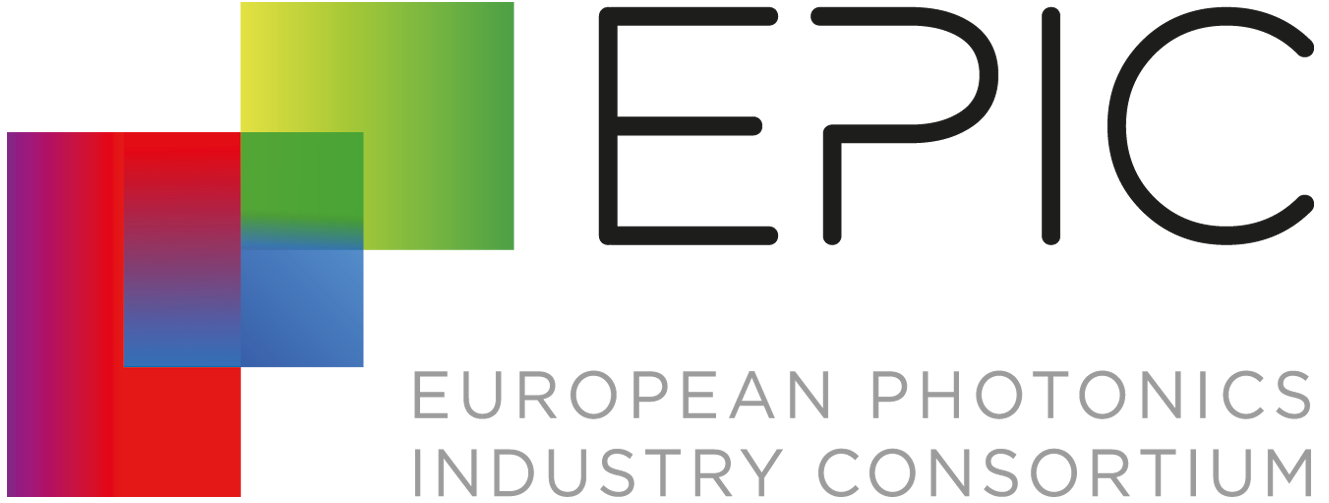
3–4 December 2024
EPIC Technology Meeting on Photonics Technologies for Medical Diagnosis and Treatments at ICFO
Barcelona, Spain
Hosted by
Sponsors
Silver

Bronze

Please note, preferably register only one person per company for best possible networking.
Photonics technologies have revolutionized the medical market. The different effects of the light wavelengths in living organisms have allowed to image internal organs and bones non-invasively, to develop biosensors for early detection of different diseases or to treat these diseases by making tissue incisions, heating or vaporizing specific regions.
Several powerful imaging systems are available nowadays for the visualization of detailed structures, also improving the imaging depth into living tissues. Raman microscopy, OCT, photoacoustic imaging… can be used by pathologists to examine the patient’s sample and obtain a faster and more reliable diagnosis. Also, the delivery of laser radiation through optic fibers is a commonly used method for surgery and targeted treatment of tissues. The development of new sources with specific wavelengths, intensities and pulse duration will allow to treat the affected region more effectively without affecting the healthy tissues in the surroundings. And new point-of-care devices and biosensors have been developed for applications such as blood analysis, glucose monitoring or detection of drugs concentration in different tissues and fluids. These new developments have taken advantage of the great properties of the light to obtain faster, more compact and more reliable devices, including wearable solutions which would help in the implantation of telemedicine procedures.
In this meeting we will bring together the full value chain of diagnostic and therapeutic related technologies and devices to open new paths for collaborations. We will cover different diseases, including cancer pathology and surgery, with several medical doctors presenting the status of the technology and their future needs to help system integrators and laser and photonic devices manufacturers in the development of new solutions to overcome the existing limitations.
All participants biographies and company descriptions are available HERE.
Agenda
Venue
Accomodation
Technology Advisory Committee





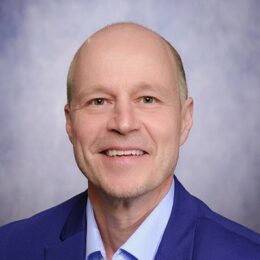


MD, Professor and Head of Department of Pathology
at Antwerp University Hospital / University of Antwerp

Speakers
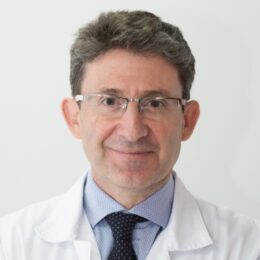
Josep Malvehy (Director of the Skin Cancer Unit) graduated in 1992 from the Medicine University of Barcelona in Spain and obtained his diploma in Dermatology and Venereology in 1996 and a doctoral degree "cum Laudem" from the University of Barcelona in genetics and diagnostics of skin cancer in 2006. He is a consultant dermatologist at the Dermatology Department and director of the Skin Cancer Program at the Hospital Clinic of Barcelona since 2003 and director of the Innovation Program of the “Institut de Medicina i Dermatologia” (ICMID) of the same Hospital. He develops his university activity as professor in masters at the University of Barcelona being accredited as a full professor since 2021 by the "Agència de qualitat Universitaria (AQU)". He is an investigator of the IDIBAPS (Institut d’Investigació August Pi i Sunyer). Special areas of research and innovation are skin cancer diagnostics and treatment, non-invasive techniques of skin cancer diagnosis, artificial intelligence, genetics of melanoma, skin cancer susceptibility, skin carcinogenesis, and teledermatology. He is also involved in research grants in Big Data and AI, biomarkers discovery, and treatment of skin cancer. He is the author of more than 450 scientific publications in international journals, main editor of 3 books in the diagnostics of skin cancer, and the author of more than 30 book chapters.
MD - Dermathologist
at Hospital Clínic Barcelona
Senada Koljenović (Professor and Head of Department of Pathology) is Professor and Head of the Pathology department, and Consultant Pathologist at Antwerp University Hospital / University of Antwerp (Belgium), where she mainly focuses on Head and Neck pathology and Dermatopathology. She works intensively on improving surgical-pathological communication and correlation of information for better diagnosis, surgical results and patient outcome. She is a clinical pathologist-PI within a multidisciplinary research group including the Departments of Pathology, ENT and Head and Neck surgery, Maxillofacial and Head and Neck surgery, Dermatology. She furthermore coordinates close collaboration with other academic Head and Neck centers and affiliated non-academic institutes, to facilitate design and execution of large multi-center studies. Her Ph.D - thesis focused on clinical application of Raman spectroscopy. Her department of Pathology has an open-door policy for developments in photonics and optical spectroscopies and is a bridge between clinical practice and Photonics, to enable improved diagnosis and treatment of different diseases. Research is translational with focus on medical applications of Photonics in general, and in particular applications of Raman spectroscopy-based tools in Head and Neck surgery (Raman-guided surgical resections facilitating safe surgical margins in oral cancer) and in characterisation of pre-neoplasia for its’s early diagnosis.
Prof.dr. (MD, PhD) - Pathologist
at Antwerp University Hospital
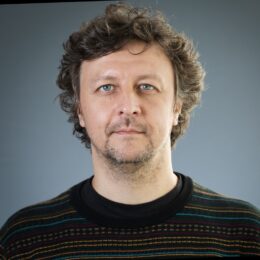
Iwan Schie (Professor) studied Medical Engineering at Beuth University of Applied Science, Berlin and received a Ph.D. in Biomedical Engineering from the University of California, Davis. During his Ph.D. his research focus was on instrument development and applications of multiphoton microscopy in combination with spontaneous Raman spectroscopy. After finishing his Ph.D. and a one-year postdoc at the Center for Biophotonics in Sacramento, developing various imaging approaches for Raman microscopy, he joined the group of Prof. Dr. Popp at the Leibniz-IPHT in Jena. In 2017 he founded the group for ‘Multimodal Instrumentation’ at the Leibniz-IPHT, which focuses on the combination of optical modalities, the development of high-throughput Raman spectroscopy systems for single cell analysis, and the development of scanning and non-scanning fiber optic probes for clinical applications and industry processing.
Professor for Biomedical Engineering
at Leibniz Institute of Photonic Technology
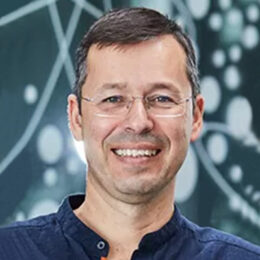
Pablo Loza-Álvarez (SLN Chief) is the Group Leader of the Super Resolution Light Microscopy and Nanoscopy lab at the ICFO. He conducts research and development at the cutting-edge of advanced microscopy and super-resolution imaging techniques, which have been used for applications ranging from invivo imaging of model organisms to sub cellular components in different biomedical fields including neurobiology, cancer research, ophthalmology, cardiology, agriculture and food sciences. He has co-authored over 130 publications in international journals, written 7 patents, and served as a PI in European and national projects. His group has been ratified in Euro-BioImaging in the Super resolution and Mesoscopic nodes. His labs are considered “Nikon Centre of Excellence for Experimental Super-Resolution at ICFO” and “Leica European Nanoscopy Imaging Reference Site”. Loza-Álvarez received his PhD in Laser Physics from the University of St Andrews in 2000 and he performed postdoctoral stays in St Andrews and at the Universitat Politècnica de Catalunya.
Pablo Loza-Alvarez
SLN Team Chief
at ICFO

Patrick Leisching (CTO) started working as CTO for iThera Medical in Munich in June 2022 and is listening to molecules to open a new era of in-vivo medical imaging. Beforehand, he was engaged for 12 years as SVP R&D for TOPTICA Photonics in Munich, scaling the R&D organisation from 24 to more than 100 people and the revenue from 14M€ to 105M€. His industry career started in 1998 at Siemens Information and Communication Network in Munich, where had various functions from research to project management and head of optical systems R&D department, later at Nokia Siemens Networks he was engaged as head of portfolio management and finally head of product management for the operating systems software of optical and packet transmission systems. He holds academic degrees from Technical University of Munich (Dipl.-Phys., laser physics and semiconductor physics) and RWTH Aachen (Dr. rer. nat., III-V quantum well semiconductors and THz radiation), the post-doc as Feodor Lynen fellow was performed at Ecole Polytechnique in Paris (II-VI magneto-optic semiconductors).
CTO
at iThera Medical
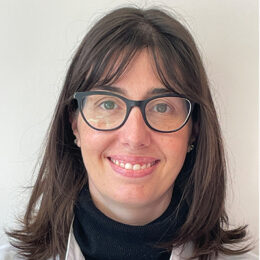
Mireia Mora Porta (MD, Endocrinologist), PhD, is a medical consultant in Endocrinology and Nutrition at the Hospital Clínic de Barcelona. With over 15 years of experience, she specializes in clinical endocrinological pathologies, including thyroid, pituitary and adrenal disorders, as well as neuroendocrine tumors and gender identity. She has conducted national and international studies on endocrine pathology, focusing on aging and its genetic and hormonal determinants, the molecular bases of thyroid cancer and the use of diffuse optic in the study on thyroid nodules. She is also a full professor at the Universitat de Barcelona.
Mireia Mora
MD - Endocrinologist
at Hospital Clínic Barcelona
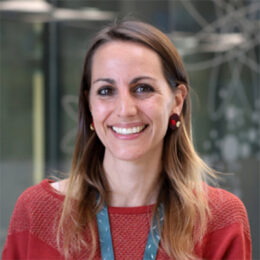
Clara Vilches (Researcher - Medical Optics), biotechnologist, holds a PhD in Biomedicine from the University of Barcelona, Spain. She joined the Institute of Photonic Sciences (ICFO) in 2015, where she first worked on the study of plasmonic photothermal therapy with gold nanoparticles in vitro, setting the basis for posterior in vivo applications such as treatment of solid tumors or liver fibrosis. Since 2020 she is a member of the ICFO Medical Optics research group, led by Prof Dr Turgut Durduran, where she combines her knowledge in rodent models research and plasmonic photothermal therapy with non-invasive diffuse optical tools for hemodyamics and physiology monitoring in vivo to personalize and optimize photothermal treatment.
Researcher- Medical Optics
at ICFO
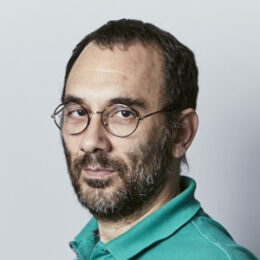
Turgut Durduran (Head of Medical Optics Group) is a professor/group leader at ICFO and the holder of a prestigious ICREA professorship. He has started the ICFO-Medical Optics group in 2009 when he joined ICFO as an assistant professor/junior group leader. In 2014, he has received his tenure and became a professor/group leader. In 2015, he became an ICREA, Catalan Institution for Research and Advanced Studies, professor at ICFO. He collaborates extensively with colleagues from UK, USA, Italy, Denmark, Germany, Austria and France. He has led as a principal investigator or participated as a work-package leader/CO-PI in several collaborative research projects funded by the National Institutes of Health (USA), Ministry of Science and Innovation (Spain), Spanish health ministry (ISCIII), Spanish ministry of science and innovation (MICINN), Catalan regional government (“Generalitat”) and the European Council. He has coordinated, multi-partner projects from the Spanish government. He has been a WP leader in two European projects- BitMap and BabyLux. He represents ICFO at LASERLAB IV optbio joint-research activity and is the Southern Europe co-Node Leader for Biophotonics4Life global initiative. Over the years, he has participated in many grant review boards ranging from the National Institutes of Health to the review of the FP7 projects at the European Commission. He has authored over hundred peer-reviewed papers and delivered numerous invited talks in international conferences and colloquia.
Head of Medical Optics Group
at ICFO
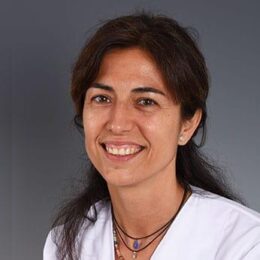
Marta Camprubí (Neonatologist) combines clinical care with cutting-edge research. She completed her doctoral thesis on memory and learning alterations in newborns affected by intrauterine growth restriction and holds Master’s degrees in Neuroscience and in Statistics and Research Methodology. Her research focuses on neuromonitoring and the long-term outcomes of children with congenital heart disease (CHD) undergoing cardiac surgery. She has also led projects exploring oxidative stress, brain injury biomarkers, and developed a pediatric animal model of extracorporeal circulation to investigate brain damage during cardiac surgery. Dr. Camprubí has supervised numerous graduate theses, mentored junior researchers, and secured national (ISCIII) and European (EU Horizon 2020) funding for multidisciplinary projects aimed at improving neurodevelopmental outcomes in children. Her work also advances the understanding of brain injury mechanisms in CHD infants using innovative neuromonitoring technologies.
Neonatologist
at Hospital Sant Joan de Déu Barcelona

Gerwin Puppels (Managing Director) is the Founder, Chief Technology Officer and Managing Director of RiverD International B.V. Rotterdam.
Managing Director
at RiverD
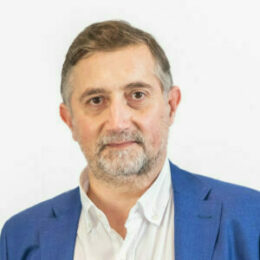
Miguel Angel Souto Mora (Director of Business Development and Innovation) has a PhD in Chemistry from the University of Santiago de Compostela, a Master's in Quality and Prevention of Occupational Risks from the University of Barcelona and a Senior Management Program from the Instituto de Empresa. Since 2022 he is the Director of the Business Development and Innovation Area. He has more than 20 years of experience as a manager in the Healthcare sector, holding various positions of responsibility: CEO, Business Development, Innovation, Regulatory, Marketing and Sales. He has been Principal Investigator in more than 25 Public-Private Collaboration Projects, and has great expertise in transferring research results to companies. He has in-depth knowledge of the legal requirements applicable to medical devices (Regulation 745/2017, ISO 13485, ISO 14971…). He was the founder of one of the first medical device start-ups created in Spain (1999), being responsible for the Development and Market Placement of 27 Class III medical devices. During his management, he led the company's internationalization process, being present in more than 67 countries on 4 continents, and achieving that international turnover accounted for 70% of the total. Currently, he is also an Expert in Medical Device and IVD Regulation at EATRIS and is responsible for regulatory affairs in the field of biomarkers at the Dutch Cancer Association (KWF).
Director of Business Development and Innovation
at IDIBELL – Hospital de Bellvitge
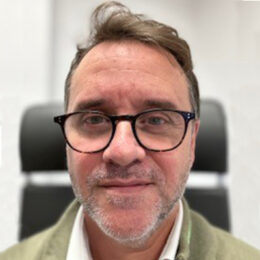
Ferran Rodríguez (Director of Hospital Infrastructure and Biomedical Engineering), MSc in Mechanical Engineering and later specialized in Materials Science, holds Masters in Business Innovation (UPC), Business Administration (EAE) and Public Administration (ESADE). Director of Infrastructure and Biomedical Engineering at the Hospital Clínic of Barcelona since 2020, an institution where over 18 years he has held different managing positions always related to medical technology in the areas of Industrial Engineering, Product Development and Procurement. His current duties include the management of the departments of Architecture, Industrial Engineering, Biomedical Engineering, Clinical Engineering, Maintenance, Security, Communications and Real State Asset Management. Previously he developed his professional activity as Equipment and Technology Mgr. at Institut Català de la Salut (2005-07), Director of Product Testing and Product Certification at AGBAR and EURECAT Technological Centre (2000-05) and Mechanical Design Project Manager at SONY Europe (1994-2000).
Director of Hospital Infrastructure and Biomedical Engineering
at Hospital Clínic Barcelona

Alexander Jelzow (Sales Manager) studied physics at TU Berlin and did a PhD in bio-medical optics at PTB, the German national metrology institute. After a short postdoc at PTB in diffuse optics Alexander joined Becker & Hickl GmbH – a worldwide known TCSPC and FLIM specialist. The focus of expertise was FLIM microscopy, multiple TCSPC applications such as time-domain fNIRS, FCS and others. As a freelance consultant Alexander supported US based start-up with FLIM data analysis. In 2022 Alexander joined TOPTICA as a sales manager for biological applications with a focus on confocal, 2-photon and Brillouin microscopy.
Sales Manager
at TOPTICA Photonics
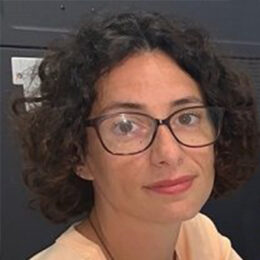
Muriel Abbaci (Group Leader) received a Ph.D. in Cell and Tissue Engineering from the University of Lorraine in 2008. She currently leads the Surgery and Pathology Photonic Imaging group (SP2I) at Gustave Roussy. SP2I specializes in applying advanced photonic imaging technologies to address unmet clinical needs in surgery and pathology. By fostering close collaboration between photonic imaging experts, pathologists, and surgeons, SP2I develops innovative methodologies to enhance key aspects of patient care. These include tissue and organ identification (tumor margin control, biopsy diagnosis, and parathyroid gland preservation) and functional assessment (flap viability and lymphatic drainage).
Group Leader, Surgery and Pathology Photonic Imaging –SP2I
at Gustave Roussy
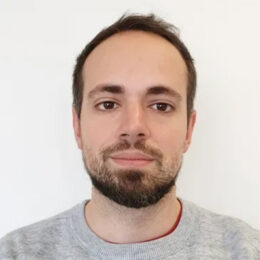
Eduardo Martínez Castellano (Photonics Engineer) received his degree in Medicine in 2013 from the Complutense University of Madrid and his degree in Physics from the University of Granada in 2017. He completed his PhD at the Technical University of Madrid in 2022, focusing on the study of the plasmonic properties of nanostructured transparent conductive oxides. He joined Bioherent in 2023 as photonics engineer, where he is responsible of the design and characterization of on-chip integrated photonic circuits for biosensing applications.
Physicist and Medical Doctor
at Bioherent
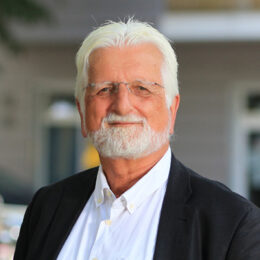
Werner Mäntele (Chief Scientific Officer) is a professor of biophysics at the Goethe University in Frankfurt am Main. He has over 30 years of experience with spectroscopy and is a recognized expert in analyzing and detecting molecules like glucose and protein. Currently, he is the Chief Scientific Officer in DiaMonTech, a medical device company based on the concept of “photothermal detection”, which Werner and his team developed.
Chief Scientific Officer (CSO)
at DiaMonTech
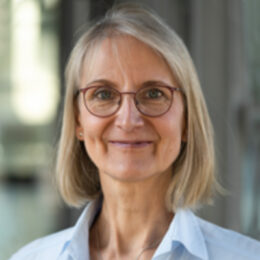
Antje Thamm (Vice President Sales & Marketing) has over 13 years of experience at EPIGAP OSA Photonics, where she has been responsible for driving sales and marketing strategies. Antje holds a Diploma Engineer (Dipl.Ing.) in Chemical Technology of Glass from the Dmitri Mendeleev University of Chemical Technology of Russia (1987).
VP Sales & Marketing
at EPIGAP OSA Photonics
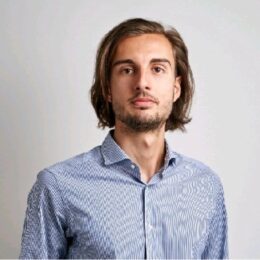
Lorenzo Vinco (Physics Engineer) obtained his Master degree in 2022 in Engineering Physics at Politecnico di Milano with a stage in NIREOS, a spin-off company of the Physics Department at Politecnico di Milano. His thesis activity revolved around the development of a push-broom hyperspectral camera. He is currently carrying out a PhD in Physics at the Physics Department at Politecnico di Milano in collaboration with NIREOS. His research focuses on hyperspectral microscopy for a variety of applications, such as biomedical imaging and material science.
Product Engineer
at NIREOS
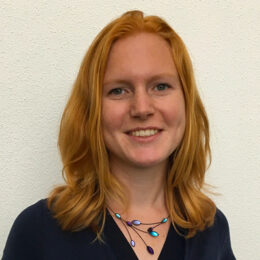
Maaike de Jong (Chief Medical Officer) has a background in Biomedical Engineering and obtained her bachelor’s degree at Eindhoven University of Technology, and her master’s degree at Delft University of Technology. She obtained her professional doctorate in engineering (PDEng) at Eindhoven university of Technology, during which she started working on the development of the Scinvivo OCT-catheter. At the beginning of 2017, Maaike spend a five-month internship in Boston at Massachusetts General Hospital to specialize in Optical Coherence Tomography and its endoscopic applications. Since September 2017, she works fulltime for Scinvivo.
Chief Medical Officer
at Scinvivo
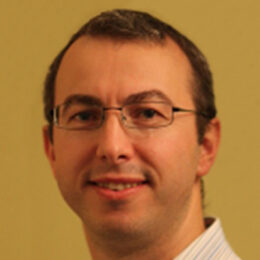
Ioan Notingher (Professor) graduated from Babes-Bolyai University Cluj-Napoca (Romania), PhD at London South Bank University (Photophysics Research Group), followed by postdoctoral research at Imperial College London and Edinburgh University. Since his appointment as a lecturer in 2006 at the University of Nottingham, he has established the Biophotonics Group, an interdisciplinary research group working at the Physical and Life sciences interface. His research focuses on optical microscopy and spectroscopy techniques for label-free molecular imaging of biomaterials, cells and tissues. He has developed many collaborations with academics, clinicians and industry. He has published more than 50 papers in peer-reviewed journals, and presented more than twenty plenary/keynote and invited lectures at international scientific conferences. He was awarded an EPSRC Established Career Fellowship in 2014 and and was appointed Chair of Physics in 2015.
Professor of Physics, Biophotonics Group
at University of Nottingham

Peter van Dam (Medical Coordinator Multidisciplinary Oncology Center) is the first and co-author of more than 250 peer-reviewed publications and several book chapters, with a Scopus H-index of 63, and is active in various national and international societies, including ESMO, AACR, VVOG, and EUSOMA. He was the first author of two recent papers from the EUSOMA task force on the effect of EUSOMA accreditation on the quality of breast cancer care in Europe and co-authored several multicentre international clinical trials on hormonal treatment for breast cancer. He is deeply involved in improving the quality of multidisciplinary breast cancer care in his hospital and Belgium and has published several papers and book chapters on this subject. He is a member of the editorial board of the European Journal of Surgical Oncology and the International Journal of Molecular Sciences and is frequently invited to review papers for many other journals. As a member of the executive board of the European Society of Breast Cancer Specialists (EUSOMA) since 2020, he is actively involved in the prevention and treatment of breast cancer at the European level, working closely with policymakers. With over 35 years of experience in translational and clinical research in breast and gynaecological cancers, he contributes extensively to projects aimed at advancing care and research in these areas.
Prof.dr. (MD, PhD) - Medical Coordinator Multidisciplinary Oncology Center Antwerp
at University Hospital Antwerp
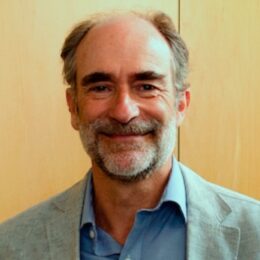
Pablo Villoslada (Director of the Neurosciences Research Programme) is a leading expert in neuroimmunology and neurology with over 25 years of experience in translational research and the development of new therapies for neuroinflammatory and neurodegenerative conditions. He earned his medical degree from the University of Santiago de Compostela (1990), completed his neurology specialization at Vall d'Hebron Hospital, and obtained his Ph.D. in Neuroimmunology from the Autonomous University of Barcelona in 1996. He has also conducted postdoctoral research at the University of California and held various academic positions, including Associate Professor at the University of Navarra and Head of the Neuroimmunology Group at Hospital Clínic - IDIBAPS. Pablo has contributed significantly to neuroscience, with over 200 publications in prestigious journals such as Lancet Neurology, Annals of Neurology, and Brain. He holds 15 patents related to biomarkers and novel therapies for neurological diseases, many of which are licensed to biotech and MedTech companies.
Group Leader, Systems Neurology and Neurotherapeutics - Director Neurosciences Program
at Hospital del Mar Research Institute
Attendees
- Alexander Jelzow , Sales Manager at TOPTICA Photonics
- Alexandre Douplik , Professor at Toronto Metropolitan University
- Almut Bailly , Key Account Manager at Chroma Technology
- Antje Thamm , Vice President Sales & Marketing at EPIGAP OSA Photonics
- Ariadna Martínez-Marrades , KTT Project Portfolio Manager (Health) at ICFO
- Auri Ripoll , Market Intelligence & Strategic Marketing Manager at Focuslight Technologies
- Berta Bernad , Optical Engineer at Ansys
- Christian Becker, Sales Director at BAYOONET Service
- Clara Vilches , Researcher- Medical Optics at ICFO
- David Castrillo , Director Hamamatsu Ventures Europe at Hamamatsu Photonics
- Deepak Nair , Product Line Manager at NKT Photonics
- Eduardo Martinez Castellano , Photonics Engineer at Bioherent
- Eike Thomas Icking, Project Manager Technology Services and Photonic Integrated Circuits at Fraunhofer IMS
- Federica Padelli , PhD Candidate at Cambridge Raman Imaging
- Ferran Rodriguez Omedes , Director of Hospital Infrastructure and Biomedical Engineering at Hospital Clínic Barcelona
- Gerwin Puppels , Managing Director at RiverD International
- Gordon McKenzie , CEO at GBF Strategy
- Ioan Notingher , Professor at University of Nottingham
- Iwan W. Schie , Professor, Biomedicine at Leibniz Institute of Photonic Technology, Jena
- Joan Sanchez de Toledo , MD Pediatrics/Neonatology at Hospital Pediátrico Sant Joan de Déu
- Joost Dirven , Senior Business Development Manager Health at Imec
- Josep Malvehy , MD - Dermathologist at Hospital Clinic of Barcelona
- Lorenzo Vinco , Product Engineer at NIREOS
- Lukas Krainer , CEO at Prospective Instruments
- Maaike de Jong , Chief Medical Officer at Scinvivo
- Markus Bartram , CEO at PicoLAS
- Marta Camprubi , Neonatologist at Hospital Pediátrico Sant Joan de Déu
- Mathias Grabau , Deputy Head of Development at Inno-spec
- Matteo Negro , CEO at Cambridge Raman Imaging
- Miguel Angel Moreno , KTT Health Portfolio at ICFO
- Miguel Angel Souto Mora , Director of Business Development and Innovation at IDIBELL – Hospital de Bellvitge
- Mireia Mora, MD - Endocrinologist at Hospital Clinic Barcelona - Institute of Digestive and Metabolic Diseases
- Mònica Marro , Expert on Raman Technologies at ICFO
- Muriel Abbacci , Group Leader, Surgery and Pathology Photonic Imaging –SP2I at Gustave Roussy
- Nadia Boetti , Technology Specialist at Links foundation
- Nicola Stiacci , Business Development Manager at Coherent
- Oliver Grass , Managing Director at Inno-spec
- Oliver Prochnow , CEO at VALO Innovations
- Oliver Pust , Sales Director at Delta Optical Thin Film
- Pablo Loza-Alvarez, SLN Chief at ICFO
- Pablo Villoslada , Group Leader. Systems Neurology and Neurotherapeutics - Director Neurosciences Program at Hospital del Mar Research Institute
- Patricia Juarez, Cancerologist, Visiting Scientist at ICFO
- Patrick Leisching , CTO at iThera Medical
- Peter van Dam (Prof.dr. (MD, PhD), Medical Coordinator Multidisciplinary Oncology Center Antwerp at UZA - University Hospital Antwerp
- Raúl Jorge Anguita , Regional Sales Director at AMS Technologies
- Senada Koljenovic (Prof.dr. (MD, PhD) , MD - Pathologist at Antwerp University Hospital
- Steffen Hovestadt , CEO at Jüke Systemtechnik
- Susana Corral Pelayo , Account Manager at Ferrotec
- Susmita Sridhar , Photonics Markets Analyst, Projects Manager at TEMATYS
- Toufik Abed, Engineering Division Manager at Optosigma
- Turgut Durduran , Head of Medical Optics Group at ICFO
- Udo Fetzer , Key Account Manager Specialty Fiber at OFS
- Valerie Rouffiac , Research Engineer at Gustave Roussy
- Werner Mäntele , Chief Scientific Officer (CSO) at DiaMonTech
Contact Information
Technology Manager
Technology scope and agenda
Antonio Castelo, PhD
Technology Expert for Bio-Medical and Lasers
Programme Manager
Coordination
Event Manager
Logistics, venue, accommodation, and transportation

Useful resources
Related
Market Reports
Market Reports


2026


Related
Upcoming Events
Upcoming Events


OnLine

26 October 2026.
Online Event
OnLine

28 October 2026.
Online Event
OnSite

4-5 November 2026.
Bordeaux, France
OnLine

9 November 2026.
Online Event
OnSite

9 November 2026.
Regensburg, Germany

Related
Past Events
OnLine

19 October 2026.
Online Event
Registration Closed
OnSite

13-14 October 2026.
Milan, Italy
Registration Closed
OnLine

12 October 2026.
Online Event
Registration Closed
